
Why Electronic Magnifiers Are Ideal for Young Visually Impaired People
For young people with visual impairment, access to the right tools can make a huge difference to confidence, independence, and enjoyment of everyday activities. Electronic magnifiers, sometimes called video magnifiers are increasingly becoming a preferred solution for reading, studying, and hobbies. Unlike traditional optical magnifiers, electronic magnifiers offer flexibility, comfort, and adaptability that better suit modern lifestyles and individual visual needs.
Supporting Comfortable and Effective Reading
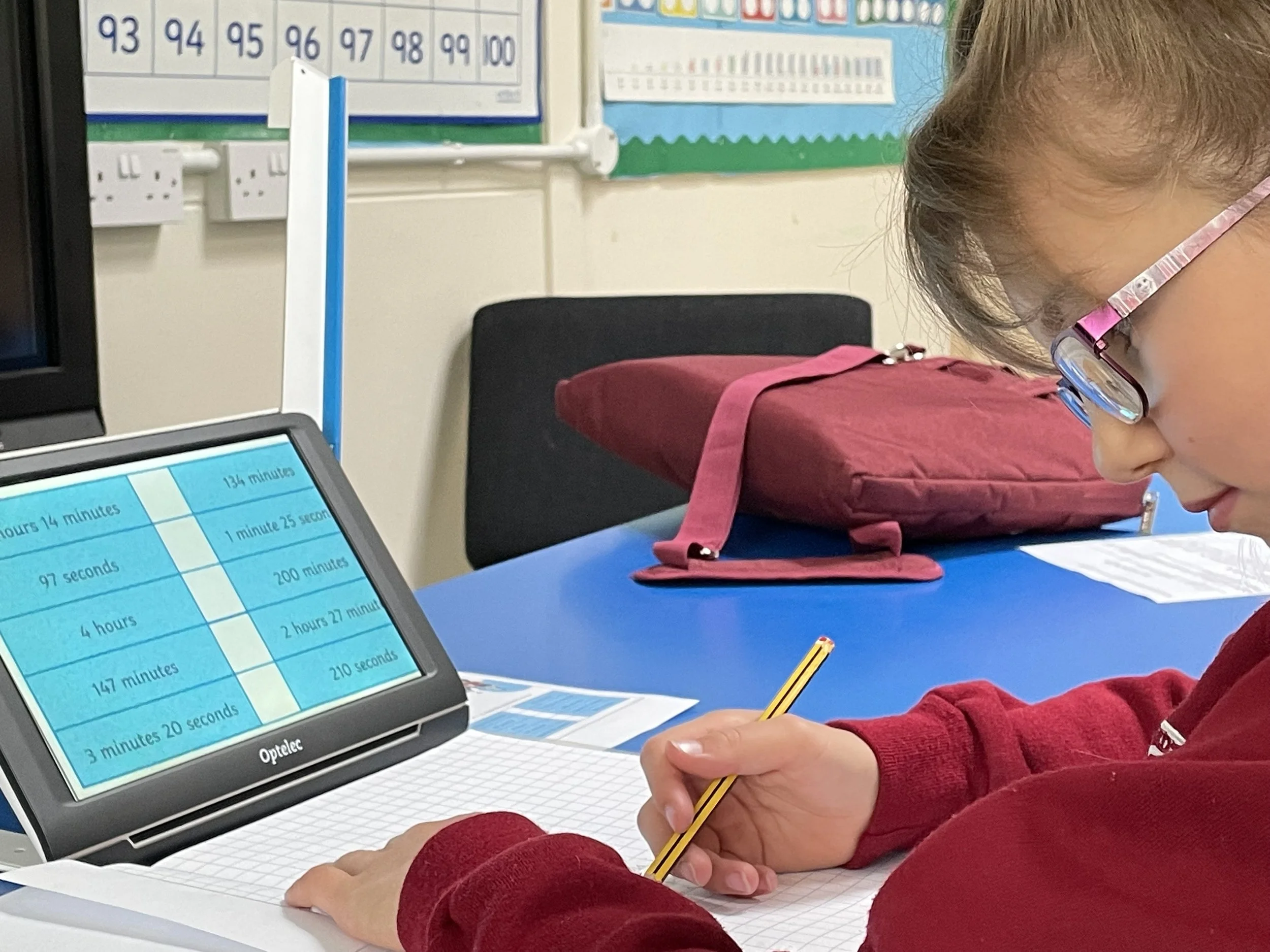
Reading is central to education, work, and personal development. Electronic magnifiers allow young visually impaired people to read more comfortably and for longer periods of time.
One of the biggest advantages is adjustable magnification. Users can increase or decrease text size instantly, rather than being limited to a fixed level. This makes it easier to read different materials such as textbooks, worksheets, magazines, labels, or handwritten notes.
Electronic magnifiers also offer high-contrast colour modes. Changing text and background colours such as white text on a black background or yellow on blue can significantly reduce eye strain and improve clarity. This is particularly helpful for people with conditions like macular degeneration, albinism, or contrast sensitivity issues.
Another benefit is improved posture and reduced fatigue. Because text is displayed on a screen, users don’t need to hold material very close to their eyes. This helps prevent neck strain and makes longer reading sessions more comfortable, which is especially important for students.
Encouraging Independence in Education and Daily Life
For young people, independence is key. Electronic magnifiers help users rely less on assistance from others when reading schoolwork, revision notes, menus, or instructions.
Many portable electronic magnifiers are lightweight and discreet, making them easy to carry in a school bag or pocket. This allows users to read on the go, in classrooms, libraries, cafés, or shops, without drawing unwanted attention.
Some models also include features such as image capture and freeze-frame, allowing users to take a snapshot of text and examine it at their own pace. This is particularly useful in fast-moving environments like classrooms or group activities.
Opening Up Hobbies and Creative Activities
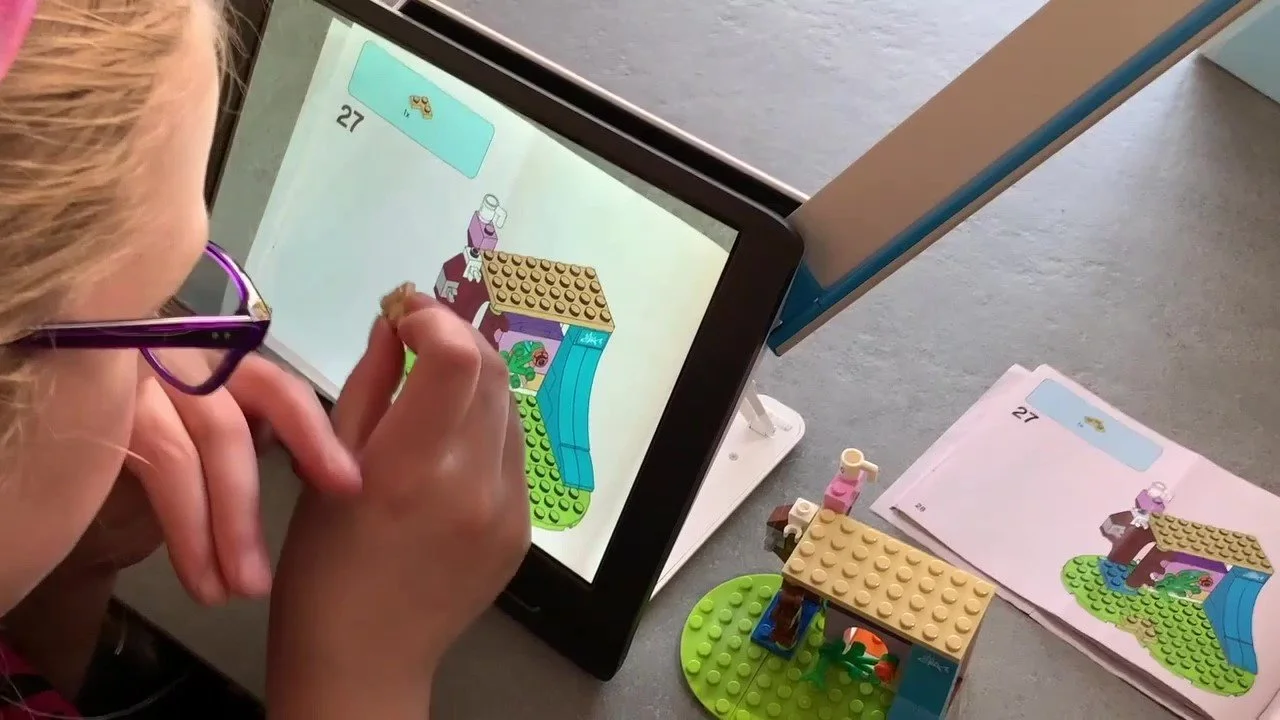
Hobbies play a vital role in wellbeing, creativity, and social connection. Electronic magnifiers can make a wide range of hobbies more accessible and enjoyable for young visually impaired people.
For creative hobbies such as drawing, painting, sewing, model-making, or jewellery design, electronic magnifiers provide clear, detailed views of small components and fine detail. Being able to adjust magnification and contrast helps users work more accurately and confidently.
For leisure activities like gaming, puzzles, reading comics, or following sheet music, electronic magnifiers remove barriers that might otherwise cause frustration or exclusion. They allow young people to engage fully in activities they enjoy, rather than avoiding them due to visual difficulty.
A Modern, Tech-Friendly Solution
Younger users often feel more comfortable with technology than traditional assistive devices. Electronic magnifiers fit naturally into a digital world, with touchscreen controls, rechargeable batteries, and sleek designs.
This modern appearance can help reduce stigma and increase confidence. Rather than feeling “different,” users are simply using another piece of everyday technology much like a tablet or smartphone.
Building Confidence and Long-Term Visual Skills
By making reading and hobbies more accessible, electronic magnifiers support confidence, motivation, and self-esteem. Young visually impaired people are more likely to practise reading, explore interests, and develop skills when tasks feel achievable rather than exhausting.
Early use of appropriate assistive technology can also help users understand their visual needs and preferences, setting them up for success in further education, employment, and independent living.
Conclusion
Electronic magnifiers are more than just reading aids, they are tools that support independence, creativity, and quality of life. For young visually impaired people, they provide a flexible, modern solution that adapts to both academic demands and personal interests. By removing barriers to reading and hobbies, electronic magnifiers help young users focus on what truly matters: learning, enjoying activities, and living life with confidence.